
-
Vlsew
- Blog
- 0 Comments
Almost everyone has experienced those strange few seconds when a conversation suddenly goes quiet and the atmosphere instantly feels uncomfortable. People start looking around, forcing random topics, laughing nervously, checking their phones, or speaking just to fill the silence.
That’s why so many people relate to discussions about the real reason silence feels awkward in conversations. Silence itself is not dangerous, yet humans often react to it emotionally as if something went wrong.
And honestly, the uncomfortable feeling usually appears almost immediately.
A conversation pauses for three seconds. Suddenly the brain starts panicking:
- “Was that weird?”
- “Did I say something wrong?”
- “Are they uncomfortable?”
- “Should I say something?”
The silence becomes emotionally louder than the conversation itself.
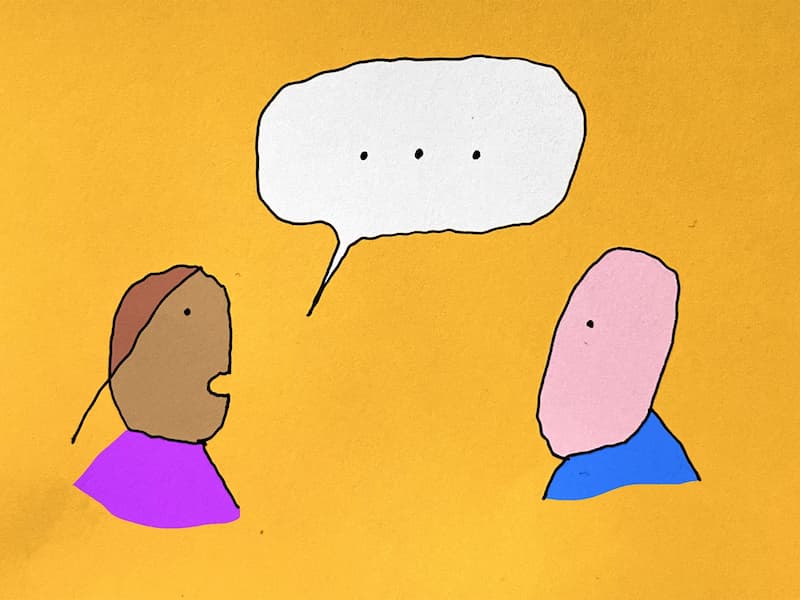
The Real Reason Silence Feels Awkward in Conversations Is Deeply Psychological
One major explanation behind the real reason silence feels awkward in conversations is that humans are extremely socially aware creatures.
For thousands of years, social connection helped humans survive. Being accepted by the group mattered psychologically and physically. Because of that, the brain evolved to constantly monitor social interactions for signs of tension, rejection, conflict, or disconnection.
Silence creates uncertainty.
And the human brain dislikes uncertainty almost automatically.
When conversations suddenly pause, people subconsciously start analyzing the situation:
- Is the other person bored?
- Upset?
- Judging me?
- Losing interest?
- Expecting me to continue talking?
Even if none of those things are actually happening, the brain still reacts defensively because social uncertainty feels emotionally uncomfortable.
Humans Associate Smooth Conversation With Safety
Most people unconsciously interpret smooth conversation as social success.
When interactions flow naturally, the brain relaxes because connection feels stable. But when silence interrupts the flow, people often assume something socially “failed,” even when the pause is completely normal.
That’s why many people rush to fill silence immediately instead of letting conversations breathe naturally.
The brain wants reassurance that social connection is still okay.
And honestly, modern culture made this even stronger because people are constantly expected to appear confident, entertaining, interesting, and socially smooth all the time.
Silence Forces Self-Awareness
One hidden reason silence feels uncomfortable is because quiet moments suddenly make people aware of themselves.
During active conversation, attention stays focused outward: listening, responding, reacting, thinking socially.
But once silence appears, attention turns inward almost instantly.
People suddenly become aware of: their body language, their facial expressions, their eye contact,
their tone, their awkwardness, or their anxiety.
And for socially anxious people especially, this self-awareness becomes emotionally intense very quickly.
Sometimes silence feels awkward not because of the other person, but because people suddenly become trapped inside their own thoughts.
The Real Reason Silence Feels Awkward in Conversations Today More Than Before
Another reason the real reason silence feels awkward in conversations feels increasingly relatable today is because modern people spend less time experiencing silence naturally.
- Phones constantly fill quiet moments.
- Social media fills boredom instantly.
- Music, videos, and notifications eliminate empty space almost everywhere.
Humans rarely sit in silence anymore.
Because of that, quiet moments during conversations now feel more emotionally noticeable than they once did. Many people became psychologically uncomfortable with stillness itself.
The brain expects constant stimulation.
And when stimulation disappears, discomfort often appears automatically.
People Fear Being Judged During Silence
One major psychological reason silence feels uncomfortable is fear of negative evaluation.
Humans naturally want social acceptance, so pauses in conversation often trigger overthinking:
- “Do they think I’m boring?”
- “Am I awkward?”
- “Should I say something smarter?”
- “Was that conversation bad?”
The silence itself becomes less stressful than the meaning people attach to it emotionally.
And honestly, most people are far more worried about themselves during silence than they are judging the other person.
That’s part of what makes awkward silence strangely universal.
Both people are often overthinking the exact same thing simultaneously.

Silence Feels Different Depending on Emotional Comfort
Interestingly, silence only feels awkward in certain relationships.
With emotionally safe people, silence often feels peaceful instead of uncomfortable. Close friends, family members, or deeply connected people can sit quietly together without feeling pressure to constantly perform socially.
But with strangers or emotionally unfamiliar people, silence often feels tense because the relationship still feels uncertain.
That difference reveals something important.
Awkward silence is usually less about silence itself and more about emotional security.
When people feel accepted, silence stops feeling threatening.
The Real Reason Silence Feels Awkward in Conversations Is Connected to Anxiety Too
For many people, the real reason silence feels awkward in conversations is strongly connected to social anxiety.
Socially anxious brains constantly monitor interactions for signs of rejection or embarrassment. Silence creates space where anxious thoughts suddenly become louder:
- “What if they think I’m weird?”
- “What if I ruined the vibe?”
- “What if I sound awkward?”
The brain starts interpreting neutral pauses as negative social signals even when nothing is actually wrong.
That’s why silence often feels dramatically more uncomfortable to overthinkers than it does to calmer personalities.
Anxiety magnifies uncertainty.
Movies and Social Media Created Unrealistic Expectations
Modern entertainment also shaped how people view conversation.
Movies, podcasts, interviews, and online content often present conversations as endlessly smooth, witty, emotional, or entertaining. There are rarely long pauses or natural awkward moments.
But real human interaction is slower and messier.
- People pause.
- Forget words.
- Think.
- Lose track of thoughts.
- Sit quietly sometimes.
Real conversations naturally contain silence.
But because modern culture constantly presents polished communication, many people now interpret normal pauses as social failure instead of normal human rhythm.
Some Cultures Handle Silence Very Differently
Interestingly, silence feels less awkward in some cultures than others.
In certain societies, quiet pauses during conversation are seen as respectful, thoughtful, or emotionally comfortable. In others, silence feels socially tense because constant engagement is expected.
That means awkward silence is partly learned behavior too.
People unconsciously absorb social expectations about communication from the environments around them.
And honestly, many modern environments reward people for speaking constantly rather than simply being present comfortably.
Why Silence Actually Matters in Conversations
One surprising truth about the real reason silence feels awkward in conversations is that silence itself is not always negative.
Sometimes pauses allow: thoughtfulness, emotional processing, comfort, reflection, or genuine listening. Not every conversation needs constant noise.
In fact, people who feel emotionally secure enough to tolerate silence often create deeper conversations because they are not rushing to fill every quiet second automatically.
Silence can create connections too. Humans just rarely think about it that way.
The Pressure to Always Be Interesting Is Exhausting
A lot of awkwardness around silence comes from modern pressure to constantly appear entertaining.
People feel like every conversation must be: funny, intelligent, engaging, deep, or socially impressive. That pressure creates anxiety before silence even happens.
But real connection usually grows through comfort, not performance.
And honestly, some of the healthiest relationships are the ones where silence no longer feels like something that needs fixing.
Most People Notice Silence Less Than You Think
One comforting reality is that people usually notice awkwardness far less intensely than overthinkers imagine.
Most humans are too busy managing their own thoughts, insecurities, and social anxiety to analyze every pause deeply.
A few seconds of silence rarely ruins conversations the way anxious brains believe it does.
In fact, many pauses pass completely unnoticed emotionally by the other person.
The discomfort often exists mostly inside the mind.
Final Thoughts
The truth about the real reason silence feels awkward in conversations is that humans naturally associate uncertainty with social discomfort.
Silence creates space where overthinking, self-awareness, anxiety, and fear of judgment suddenly become louder. Modern life also made people less comfortable with stillness because constant stimulation now fills almost every quiet moment automatically.
But silence itself is not the enemy.
Sometimes pauses are simply part of real human interaction.
And honestly, one of the strongest signs of emotional comfort is being able to sit in silence with someone without feeling the need to constantly prove, explain, entertain, or fill every empty second.