
-
Vlsew
- Blog
- 0 Comments
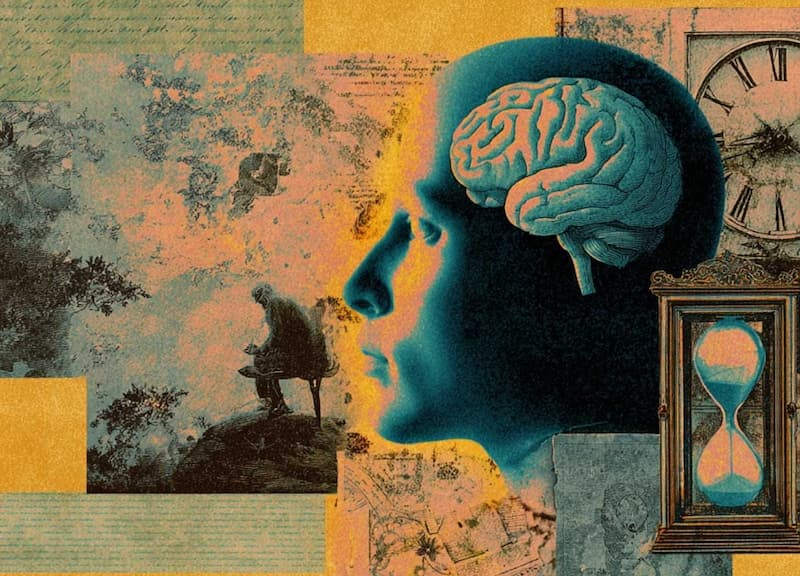
Sometimes all it takes is a song, a smell, an old photo, or a random memory to suddenly make someone feel emotional without warning. For a few seconds, the past feels incredibly close again. People remember old friendships, childhood moments, familiar places, or versions of themselves that no longer exist anymore.
That’s why conversations about why nostalgia feels so powerful and emotional connect with so many people online. Nostalgia is one of the strangest human emotions because it feels both comforting and painful at the same time.
It can make people smile and feel sad simultaneously.
And honestly, almost everyone has experienced moments where a memory unexpectedly hit harder than they thought it would.

Why Nostalgia Feels So Powerful and Emotional Is Deeply Connected to Memory
One major reason why nostalgia feels so powerful and emotional is because human memory is emotional before it is logical.
People do not remember the past exactly as it happened. The brain stores memories through feelings, atmosphere, and emotional significance more than perfect accuracy. That’s why small details from years ago can suddenly feel incredibly vivid: the sound of rain outside an old house,
a childhood TV show, late-night conversations with friends, summer afternoons, or music connected to specific periods of life. Emotion strengthens memory.
And when people revisit emotionally meaningful memories, the brain temporarily recreates some of those feelings again in the present moment.
That’s why nostalgia can feel almost physically emotional sometimes.
Nostalgia Often Appears During Change
One interesting thing about nostalgia is that it becomes stronger during periods of transition.
People feel nostalgic when: growing older, moving somewhere new, ending relationships, changing routines, losing people, or realizing life is changing faster than expected.
Nostalgia helps the brain emotionally reconnect with stability and familiarity during uncertain moments.
That’s why people often miss periods of life they barely appreciated while they were actually living them. Once something disappears, the brain suddenly recognizes its emotional value much more clearly.
And honestly, humans are often better at appreciating moments in memory than in real time.
Music Triggers Nostalgia More Powerfully Than Almost Anything
Few things trigger nostalgia faster than music.
A single song can instantly transport someone back to a completely different period of life emotionally. Suddenly people remember: specific summers, old relationships, school years, late-night drives, friend groups, or emotions they forgot they once carried.
Music connects strongly to memory because the brain stores emotional experiences alongside sounds extremely deeply. Songs become emotional time capsules without people realizing it at the time.
That’s why hearing certain music years later can feel unexpectedly overwhelming.
For a few seconds, people are not just remembering the past.
They are emotionally re-experiencing pieces of it.
Why Nostalgia Feels So Powerful and Emotional as People Get Older
Another reason why nostalgia feels so powerful and emotional is because time becomes more noticeable with age.
When people are younger, life feels endless. Childhood feels permanent. Friendships feel permanent. Familiar places feel permanent.
But eventually people realize: certain moments will never happen again, some people drift away, childhood homes change, parents age, and entire chapters of life quietly disappear.
That realization gives old memories emotional weight they never originally carried. Nostalgia often reflects awareness of time passing.
And honestly, that can feel both beautiful and heartbreaking at the same time.
People Miss Feelings More Than Actual Moments
One surprising thing about nostalgia is that people often miss emotions more than the actual situation itself.
Someone may not truly miss school, for example. They may miss: feeling carefree, having fewer responsibilities, being surrounded by friends daily, or believing life felt simpler emotionally.
The brain tends to emotionally simplify the past over time.
Stressful details fade. Warm emotional memories remain stronger.
That’s part of why nostalgia can make old periods of life seem more magical than they actually felt in real time.
Human memory naturally softens certain realities while protecting emotionally meaningful feelings underneath.
Nostalgia Creates Emotional Comfort
One hidden reason nostalgia feels so powerful is because familiarity creates psychological comfort.
During stressful or uncertain periods, revisiting old memories helps people reconnect with identity, safety, and emotional stability. Familiar songs, movies, photos, or routines temporarily create emotional grounding.
That’s why many people return repeatedly to: old TV shows, childhood games, familiar music, or memories connected to emotionally safer times.
The past feels emotionally comforting because it is already known.
And honestly, uncertain modern life often makes people crave emotional familiarity more than they realize.
Why Nostalgia Feels So Powerful and Emotional in Modern Life
Modern life may actually intensify nostalgia.
Today, people constantly document life through: photos, videos, social media memories, old messages, and digital archives.
Previous generations forgot many moments naturally over time. Modern people can revisit huge pieces of their past instantly whenever they want.
That changes emotional memory dramatically.
People now repeatedly encounter reminders of: older versions of themselves, past friendships, places they used to go, or moments that disappeared quietly over the years.
And because life moves so fast now, many people emotionally cling to memories more strongly as a way of slowing time mentally.
Childhood Nostalgia Feels Especially Emotional
Childhood memories often carry unusually strong emotional power because childhood is when people experience many things for the first time.
- First friendships.
- First fears.
- First excitement.
- First discoveries.
- First emotional attachments.
The brain stores early emotional experiences deeply because they help shape identity.
That’s why childhood nostalgia often feels emotionally overwhelming compared to memories from later adulthood.
People are not just remembering events. They are reconnecting with earlier versions of themselves.
Nostalgia Can Feel Sad Because People Know the Moment Is Gone
Part of what makes nostalgia emotional is the awareness that certain moments cannot truly return.
People can revisit memories mentally, but they cannot fully relive them again.
Old friendships changed. Certain people are gone. Specific life periods ended permanently. That realization creates bittersweet emotion.
Nostalgia reminds people both how beautiful life can be and how temporary everything ultimately is.
And honestly, humans struggle emotionally with impermanence more than they often admit.
Why Nostalgia Feels So Powerful and Emotional Is Connected to Identity
The reason why nostalgia feels so powerful and emotional goes beyond simple memory.
Memories help people understand who they are.
The past contains: old dreams, older personalities, relationships, mistakes, growth, and emotional experiences that shaped identity over time.
When people revisit nostalgic memories, they are often reconnecting not just with moments, but with parts of themselves that no longer fully exist in the present.
That’s why nostalgia can feel strangely personal and emotional in ways difficult to explain logically.
Sometimes People Become Nostalgic for Ordinary Moments
One of the strangest things about nostalgia is that people often become emotional about moments that originally seemed completely ordinary.
Random car rides. Conversations nobody recorded. Simple evenings at home. Walking through familiar places. Laughing with people they barely appreciated enough at the time. At the moment, those experiences felt small.
But years later, they suddenly become priceless emotionally.
And honestly, that may be one of the most human experiences of all.
Final Thoughts
The truth about why nostalgia feels so powerful and emotional is that nostalgia reminds people how deeply humans attach emotion to memory, identity, and time itself.
Songs, smells, old photos, familiar places, and tiny reminders of the past can suddenly reopen emotional worlds people thought they had forgotten.
Sometimes nostalgia feels comforting. Sometimes heartbreaking. Sometimes both at once.
But maybe that’s why it matters so much emotionally.
Because nostalgia quietly reminds people that even ordinary moments eventually become memories, and many of the things people barely notice today may one day become the moments they miss the most.