Blood pressure drug urgently recalled after common tablet fails safety test . hyn

Patients are being told to contact their pharmacist

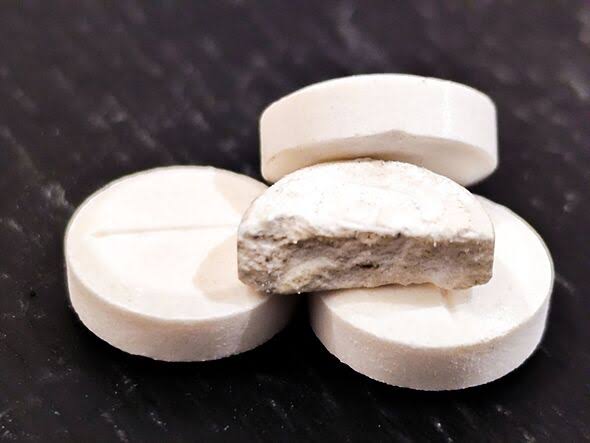
25,000 bottles of chlorthalidone are subject to the recall (Image: Getty)
More than 25,000 bottles of blood pressure medication have been recalled after they failed safety tests. Patients are being urged to contact their pharmacist to check their medication.
Inventia Healthcare Limited issued the voluntary recall in the US via the Food and Drug Administration (FDA) on September 3. It covered 13,567 bottles of 25mg chlorthalidone tablets.
In June, the same company issued a recall for 11,460 bottles of the same drug, taking the total to 25,027 bottles affected. Both recalls were issued for the same reason, reports Healthline.
The FDA enforcement notice said the pills failed dissolution specification, which means they are not releasing the medication into the body as intended.
Chlorthalidone is a ‘water tablet’, aka a diuretic, often used to treat high blood pressure, fluid retention, heart failure, and diabetes insipidus. Usually, patients are told to take the pill at breakfast to avoid disrupting their sleep.
Three batches of the drug, which all expire in April 2027, are subject to the recall. The pills are light yellow in colour and have ‘103’ stamped on one side, but are blank on the other.
Exact details of the batches have been released so patients can call the pharmacy which dispensed their last prescription to check the batch numbers and see if they are subject to the recall.
Blood Pressure Drug Urgently Recalled After Common Tablet Fails Safety Test
Patients taking a commonly prescribed blood pressure medicine have been urged to check their medication after more than 25,000 bottles were recalled following failed quality tests.
The recall involves specific batches of chlorthalidone 25mg tablets, a medicine commonly used to treat high blood pressure and fluid retention. The latest recall was initiated in the United States by Inventia Healthcare Limited and covers 13,567 bottles. It follows an earlier recall involving another 11,460 bottles of the same medicine, bringing the total number affected to 25,027.
The issue identified during testing concerns the way the tablets dissolve.
According to the recall information, the affected tablets failed to meet the required dissolution specification. In practical terms, this means the tablets may not release their active ingredient into the body in the way they are expected to.
That does not necessarily mean that every affected tablet is dangerous, nor does it mean patients should immediately stop taking their medication.
Instead, the recall is intended to prevent further distribution of batches that failed the required quality standard.
What is chlorthalidone?
Chlorthalidone belongs to a group of medicines known as diuretics, often referred to as “water tablets”.
The medicine helps the body remove excess salt and water through urine. It can therefore help lower blood pressure and reduce fluid retention.
It may be prescribed for people with hypertension and certain conditions involving excess fluid. Because of its diuretic effect, patients are commonly advised to take it earlier in the day, since taking a water tablet late in the evening can lead to increased urination during the night.
For people who rely on medication to keep their blood pressure under control, any recall can naturally cause concern.
However, the most important point is that patients should not make sudden changes to their treatment without speaking to a healthcare professional.
Stopping or changing blood pressure medication without medical advice can itself create health risks.
Why was the medicine recalled?
The latest recall relates specifically to a failure in dissolution testing.
Medicines are required to meet strict quality standards to ensure that the active ingredient becomes available to the body in an appropriate and predictable way.
A tablet that does not dissolve according to its required specification may potentially deliver the medicine differently from what is expected.
The recall therefore reflects a manufacturing-quality concern rather than evidence that the medication itself has suddenly become unsafe for everyone who takes it.
The affected batches have expiration dates in April 2027.
The latest recall, initiated on September 3, 2026, covers batch RISA24002. Two other batches — RISA24001 and RISB24002 — were included in the earlier June recall.
Patients who have chlorthalidone at home are therefore being encouraged to check their packaging rather than assume that every bottle of the medicine is affected.
What patients should do
Anyone taking chlorthalidone should check the name of the medicine, strength and batch information on their bottle or packaging.
If the medication appears to match one of the recalled batches, patients should contact the pharmacy that supplied it or speak to their healthcare provider.
They should not simply throw away their medication and stop treatment without first arranging an appropriate replacement.
This is particularly important for people taking chlorthalidone to control high blood pressure.
Blood pressure often produces few obvious symptoms, meaning patients may feel perfectly well even when their blood pressure is elevated. Regular treatment is therefore an important part of managing the condition.
A sudden interruption could leave blood pressure insufficiently controlled.
The safest approach is to seek advice from a pharmacist, doctor or other healthcare professional about whether the particular pack needs to be replaced.
A recall does not mean every tablet is dangerous
The language surrounding medicine recalls can sometimes cause unnecessary alarm.
A recall can happen for a number of reasons, including manufacturing problems, packaging errors, incorrect labelling or concerns identified during quality testing.
In this case, the issue is that particular batches did not meet the required dissolution specification.
That is different from a finding that the active ingredient itself is inherently dangerous.
Patients should therefore distinguish between a recall affecting certain batches and a general withdrawal of a medicine.
The current information relates to specific chlorthalidone batches rather than every chlorthalidone product on the market.
Why quality testing matters
Medicine manufacturers are required to conduct extensive testing because tablets need to behave consistently.
It is not enough for a tablet to contain the correct active ingredient. Its physical characteristics also need to meet specifications that help ensure predictable delivery of the medicine.
Dissolution testing is one of the ways manufacturers assess whether tablets release their active ingredients appropriately.
If a batch fails those requirements, regulators and manufacturers can decide that recalling the affected product is the safest course.
Although the failure may not mean that every tablet will cause harm, removing the affected stock reduces uncertainty and protects patients while the issue is investigated.
That precautionary approach is an important part of modern medicines regulation.
Patients should not panic
The recall has generated attention because chlorthalidone is a commonly used medicine and thousands of bottles are affected.
But patients should not interpret the recall as a warning that everyone taking chlorthalidone is in immediate danger.
The available information concerns particular batches and a quality specification relating to dissolution.
Anyone concerned should first establish whether their own medicine is included.
Checking the batch number is therefore more useful than simply checking the name of the drug.
The pharmacy that dispensed the prescription should also be able to help patients determine whether their particular supply is affected.
Other blood pressure recalls show why checking the packaging matters
This is not the first time a blood pressure medicine has been recalled because of a manufacturing or packaging problem.
In the UK, the Medicines and Healthcare products Regulatory Agency has issued several precautionary recalls involving blood pressure medicines this year.
In April 2026, for example, one batch of Ramipril 10mg capsules was recalled after a sealed carton labelled as containing 10mg capsules was found to contain a blister strip of the lower 5mg strength. The MHRA said the risk to patients from taking the lower dose for a limited period was very low.
Another UK recall in March involved a batch of Ramipril 5mg capsules that had potentially been packaged with Amlodipine 5mg tablets. Again, patients were advised to check the contents of their packs and contact their pharmacy if there was a mismatch.
These cases illustrate why patients should pay attention to both the medicine name and the information printed on the packaging.
The importance of continuing blood pressure treatment
High blood pressure is often described as a “silent” condition because many people do not experience obvious symptoms.
That makes regular treatment particularly important for patients who have been prescribed medication.
A person who feels well should not assume that their blood pressure is automatically under control.
For this reason, medicine recalls need to be handled carefully.
Patients should not respond by abandoning treatment altogether. Instead, they should establish whether their particular supply is affected and, if necessary, obtain an alternative supply through their pharmacist or doctor.
The same principle applies to other prescription medicines.
If a particular batch is recalled, healthcare professionals can normally advise whether a replacement prescription or alternative product is needed.
What happens next?
The recalled chlorthalidone batches will be removed from the supply chain while the manufacturer and regulators deal with the quality issue.
Pharmacies and distributors play an important role in identifying affected stock and preventing further dispensing.
Patients, meanwhile, are being asked to check their own supplies and seek professional advice if they find an affected batch.
The latest recall does not mean that chlorthalidone as a medicine has been withdrawn entirely.
Instead, it highlights the importance of strict quality controls for medicines that millions of people depend on.
For patients, the message is relatively simple: check the packaging, identify the batch if necessary and speak to a pharmacist or doctor before making changes to your treatment.
Most importantly, people should not stop taking prescribed blood pressure medication simply because they have seen a headline about a recall.
A recall affecting specific batches is a targeted safety measure designed to remove potentially unsuitable products from circulation.
The latest chlorthalidone recall affects more than 25,000 bottles across two separate recall actions, with the latest involving 13,567 bottles and the earlier recall covering 11,460.
For anyone taking the drug, checking the batch number is the most important first step.
And if there is any uncertainty, the safest course is to contact the pharmacy that supplied the medicine and ask for professional advice rather than making a decision alone.